



Menorca beaches by wind: which one should you choose?
Checking the wind before heading to the beach can make a real difference in Menorca. The same island that offers calm, clear water on one side can have waves, foam and a rough sea on the other.
Before choosing Pregonda Beach, Cala Galdana or Punta Prima, it is worth knowing where the wind is coming from and which coast is sheltered. There is no perfect beach for every day, but there is usually a better side of the island.

Why does the wind change Menorca’s beaches so much?
Menorca is open to the sea on all four sides. The north coast receives the Tramontana directly and usually feels northern storms first; the south coast is more sheltered when the wind comes from the north. Once the wind turns, the sea conditions change with it.
The shape of the cove matters too. A narrow bay can stay calm while the open sea is choppy, while an exposed beach can become uncomfortable within a few hours. Wind direction, strength and how long it has been blowing all matter.
The quick rule for choosing a beach
- With Tramontana or a northerly wind, look to the south coast.
- With easterly winds, the west coast is often the better option.
- With westerly winds, look towards the east and south-east.
- With southerly winds, the north coast is usually more sheltered.
This is a useful starting point, not a guarantee. Check waves, gusts and access roads before leaving. The AEMET marine forecast for Menorca shows the expected wind and wave conditions.
Menorca beaches for Tramontana and northerly winds
Tramontana is the wind that most often changes a beach day in Menorca. When it arrives strongly, the north coast can have waves, currents and plenty of foam. On those days, heading south is usually the simplest plan.
Cala Galdana, Cala Mitjana and Binigaus
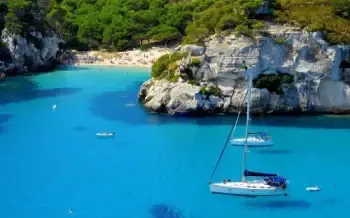
Cala Galdana is one of the most comfortable choices with a northerly wind. Its bay is fairly sheltered, the water is shallow and services are close by. If you prefer a wilder setting, you can walk from there towards Cala Mitjana, although the access and parking need more planning.
Binigaus, beside Santo Tomás, is another south-coast option. It can work well when the northern sea is rough, but always check the path and the waves before setting out.

Son Bou and Cala en Porter
Son Bou is long, easy to reach and spacious enough to move along the beach if one section feels more exposed. Cala en Porter sits between high cliffs and can also be comfortable on a light northerly day.
When Tramontana is strong, do not rely only on how calm the sand looks. Watch how the sea breaks at the entrance to the bay and follow any safety advice.
Menorca beaches for easterly winds
An easterly wind affects the eastern coast first. On those days, look towards the west and south-west, where you will find more sheltered bays.
Cala en Bosch and Son Xoriguer are practical choices near Ciutadella, with easy access and places to eat nearby. Further east, but still protected by its shape, Cala Galdana can be a useful alternative.
If the easterly wind is light, some south-eastern coves may still be pleasant. If it strengthens, choose a west-facing bay instead of staying on an exposed beach.
Menorca beaches for westerly winds
With a westerly wind, the western coast receives more swell. In that case, head towards the east and south-east of Menorca.
Punta Prima is one of the easiest options, with a wide beach, nearby services and a bay that can offer comfortable swimming in a westerly wind. Alcaufar, Binibeca and Sa Mesquida may also work, depending on the strength and the swell.
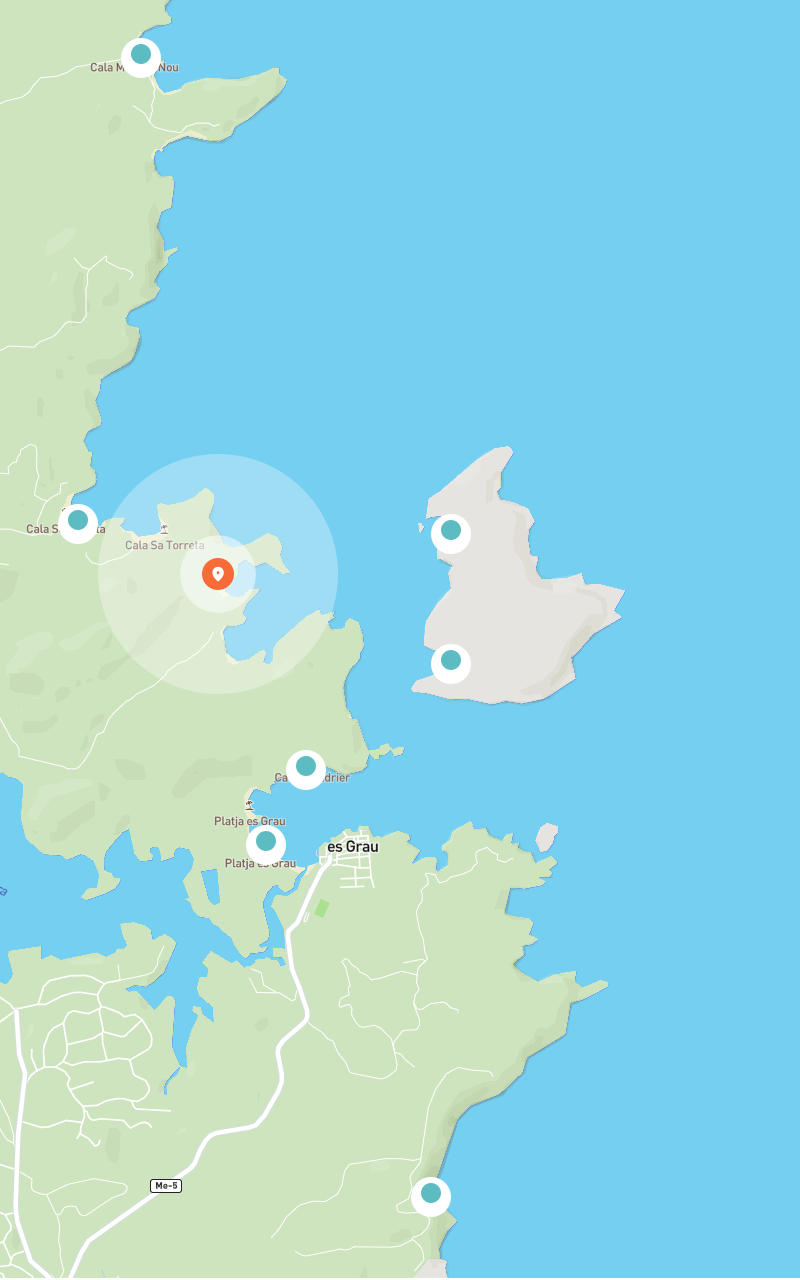
Es Grau is another good choice, especially for shallow water and family days. You can also combine the beach with a walk around s’Albufera des Grau Natural Park.

Menorca beaches for southerly winds
Southerly winds usually make the south coast rougher. When the wind comes from that direction, it often makes sense to head north.
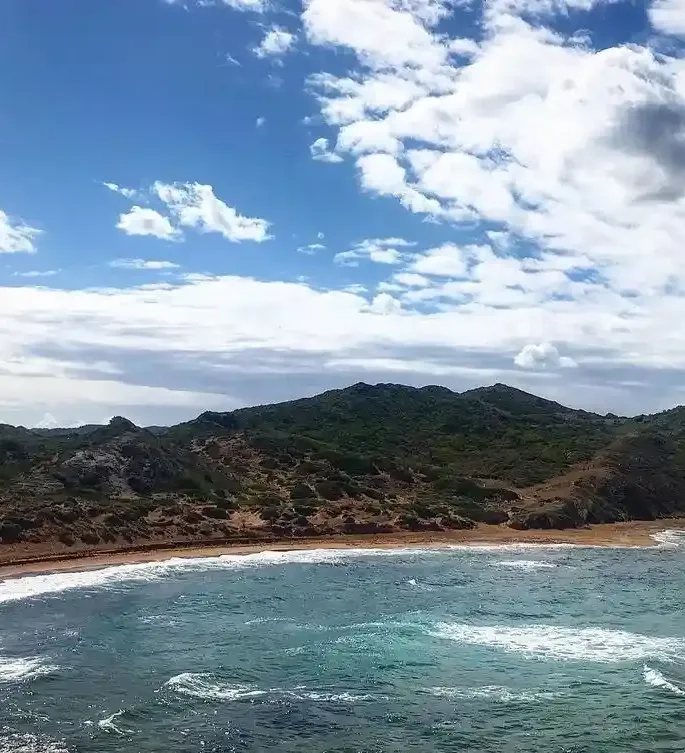
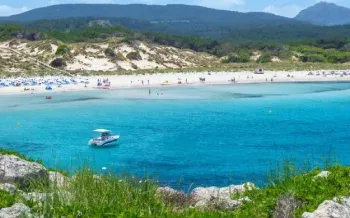
Cavalleria Beach, Pregonda Beach, Cala Tirant and Arenal d’en Castell are useful names to remember. Each beach reacts differently: Cavalleria and Pregonda become exposed if the wind turns north, while bays and coves can offer better shelter with a southerly wind.

If you are looking for waves or wind for a sport, the choice changes. Cala Tirant, Son Bou and Fornells feature in our Menorca kitesurfing guide, but always check the conditions before entering the water.
What if there is hardly any wind?
Light-wind days are the easiest for exploring the island. Choose your beach based on the scenery, the access or the kind of day you want: a quiet cove, a family beach or somewhere to eat after swimming.
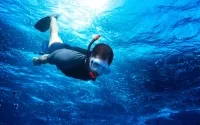
For snorkelling, rocky coves with shallow water often offer more to see than a fully exposed sandy beach. Cala Rafalet, Ses Olles, Binidalí and the beaches linked to the Illa de l’Aire Marine Reserve are good places to start, without touching posidonia or disturbing wildlife.
North and south: two very different coastlines
The difference between Menorca’s two coasts becomes even clearer after a change in the weather. The north has a rougher landscape, rocky seabeds and beaches exposed to Tramontana; the south usually offers enclosed coves and calmer water when the wind comes from the north.
That does not make one coast better than the other. After several windy days, southern beaches may have washed-up posidonia on the sand. It is not rubbish: these wrack banks help protect the beach from erosion, as we explain in our guide to why posidonia is left on Menorca beaches in winter.
Tips before you leave
- Check wind direction and gusts, not only the weather icon.
- Look at the wave forecast for the coast you want to visit.
- If you are heading to a wild beach, bring water, suitable footwear and a backup plan.
- Avoid rocks and channels if there is a current or swell.
- If you arrive by boat, check the official posidonia map and respect anchoring zones.
- When in doubt, choose a beach with services and lifeguards.
The best beach in Menorca is not always the most famous one. Often, it is simply the beach on the sheltered side of the island that day.
Frequently asked questions
Which part of Menorca is best with Tramontana?
The south coast is usually the most comfortable choice, especially bays such as Cala Galdana, Cala Mitjana, Son Bou and Santo Tomás. If the wind is strong, check the sea state and access as well.
Which beaches work with a southerly wind?
The north coast usually receives less swell with a southerly wind. Consider Cavalleria, Pregonda, Cala Tirant or Arenal d’en Castell, depending on the strength and the shape of each bay.
Can the wind change during the day?
Yes. It can turn or strengthen around midday, particularly in summer. Check the hourly forecast and keep a second beach in mind.
Where can I check the wind in Menorca?
The AEMET marine forecast provides information about wind, waves and warnings for Menorca.
Sources consulted
- AEMET: marine forecast for Menorca: wind, waves and warnings.
- Balearic Government: information about Menorca’s wind: prevailing northerly winds and seasonal variation.
- Menorca Playas content: beach guides, kitesurfing guide, map and linked articles.